A good door entry or intercom installation starts long before the hardware is fitted. The process should account for the building, the condition of the entrance, the people using it, and how access needs to be managed once the system is live. When that planning is skipped, the result is often an installation that looks finished but causes avoidable problems almost straight away.
Whether the project involves a block of flats, a communal entrance, or a commercial building, the installation process should follow a clear sequence from assessment through to commissioning and handover.
The Process Starts With The Building, Not The Equipment
Before any system is chosen, the entrance needs to be assessed properly. That means looking at how the building is used, how many people need access, how visitors are handled, and whether the existing setup is failing because of the electronics, the door hardware, or both.
A strong door entry installation or intercom installation should begin with the actual conditions at the entrance rather than a product-first recommendation.
Survey And Initial Assessment
The survey stage is where the real installation plan begins. The aim is to understand what the building needs, what condition the entrance is in, and whether the existing system can be upgraded or whether a new setup is the more practical option.
This stage usually looks at:
- the type and condition of the entrance door
- how the release hardware is performing
- the number of users
- whether the building needs audio, video, or managed access
- current cabling or equipment limitations
- how residents, staff, or visitors currently use the entrance
In buildings where the existing setup is unreliable but not necessarily beyond saving, door entry system repairs or intercom repair may still be worth considering before a full replacement is agreed.

Choosing The Right Type Of System
Once the entrance and the building have been assessed, the next step is deciding what type of system fits the job best. Some buildings need straightforward visitor communication and release. Others need stronger visitor verification, easier user management, or a setup that works as part of wider access security.
At this stage, the decision may involve:
- audio or video entry
- resident or staff access requirements
- whether visitor handling is the main concern
- whether the building needs broader access control installation
- whether the property is better suited to door entry systems for flats or commercial door entry systems
The right answer depends on how the entrance is used every day, not just what features are available.
Planning Around The Building
Once the system is chosen, the installation needs to be planned around the building itself. In occupied properties, especially flats and managed sites, access still needs to work during the job. That means the process has to account for residents, staff, visitors, and deliveries while work is being carried out.
This stage often includes:
- installation timing
- access arrangements
- how disruption will be minimised
- whether work needs to be phased
- how the entrance will remain usable during key stages
That practical planning matters just as much as the technical side of the install.In busier buildings, planned maintenance often plays a major role in reducing repeat callouts and protecting the long-term value of the installation.
Installation And Hardware Work
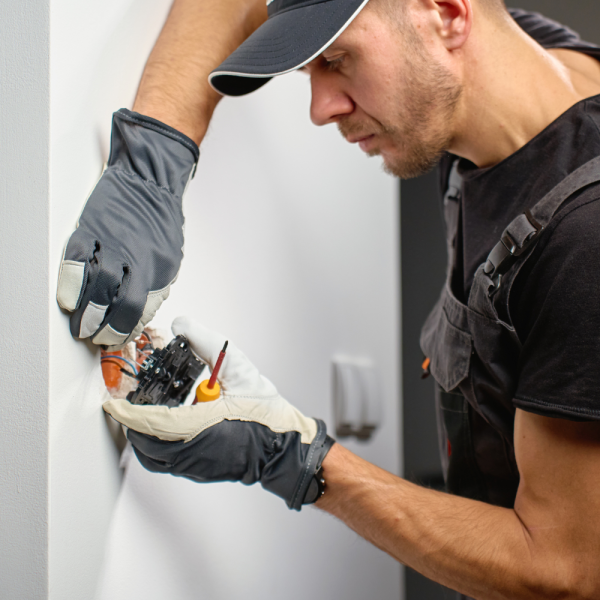
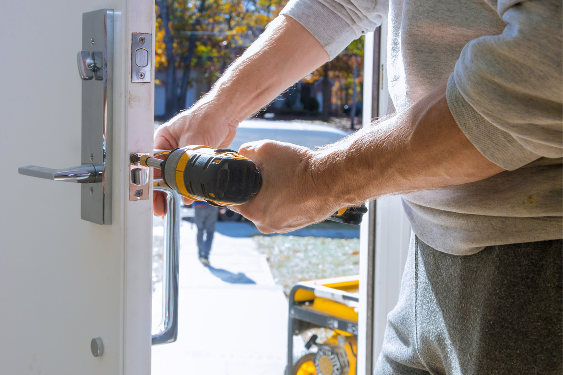
The fitting stage is where the system is physically installed, but this is only one part of the overall process. If the door itself is poorly aligned, if the release hardware is worn, or if the entrance has unresolved physical issues, those problems can undermine the performance of the whole setup.
A reliable install should account for:
- entrance panel fitting
- internal unit or handset positioning
- release hardware
- the condition of the door and frame
- the practical use of the entrance once the work is complete
That is one reason why secure entry systems need to be treated as part of the whole entrance, not just the electronics.
Commissioning The System Properly
Commissioning is where many installations succeed or fail. This is the stage where the system is configured, tested, and checked under real use conditions. If commissioning is rushed, the result may be a system that functions in theory but causes problems in practice.
Commissioning should include:
- testing call quality
- checking video visibility where relevant
- confirming reliable release
- making sure user access works correctly
- checking that the system responds consistently during repeated use
For shared entrances, this stage is particularly important because the setup needs to work reliably for more than one user type.
Handover And User Management
Once the installation is complete, the handover should leave the building with a system that people can actually use and manage. This is where many avoidable problems begin, especially if the handover does not clearly explain how access is handled after installation.
A good handover should cover:
- how users are added or removed
- how visitor handling works
- what to do if faults appear
- what maintenance is recommended
- who to contact when support is needed
This becomes even more important where the system is part of a wider access control and intercom arrangement.
Maintenance After Installation
Even a good system needs support over time. Panels wear, doors move, release performance changes, and regular use gradually affects how the entrance behaves. In high-use buildings, small faults often become repeated problems if they are ignored too long.
That is why planned maintenance is often part of the long-term process, especially for blocks of flats, busy communal entrances, and commercial sites where reliability matters every day.
Why The Installation Process Matters
The installation process shapes how reliable the system will be after the work is finished. A poor survey, rushed fitting, or weak handover can leave the building with the same problems it started with, just under newer hardware.
A better process creates a system that:
creates fewer repeat faults and complaints
fits the building properly
works consistently in day-to-day use
is easier to manage over time
Common Questions About the Installation Process
That depends on the building, the type of system, the condition of the entrance, and whether the project is a full new install or an upgrade.
A proper assessment is usually one of the most important parts of the process because it helps avoid the wrong system being installed for the building.
Often yes. That depends on the condition of the existing setup, the hardware at the entrance, and whether the current system still has a practical upgrade path.
Often yes. That depends on the condition of the existing system, the hardware at the entrance, and whether the current setup still has a viable upgrade path.
That needs to be addressed as part of the job, because poor door performance can undermine even a newly installed system.
TYes. Regular servicing helps protect the system, reduce repeated issues, and keep the entrance working more reliably over time.
Getting The Installation Right From The Start
The best installations are not just about fitting equipment. They are about understanding how the entrance works, what the building needs, and how the system will perform once real people start using it every day. A well-planned process creates fewer problems later and gives the building a much more dependable result.