
What Shapes The Cost Of A Door Entry System
The cost of a door entry system depends on far more than the panel at the entrance. In most buildings, pricing is shaped by the number of users, the type of access required, the condition of the existing setup, and how much work is needed to make the entrance reliable under day to day use.
For blocks of flats, cost is often influenced by resident churn, communal entrance wear, and the need to manage access properly over time. In commercial buildings, pricing is more likely to reflect visitor flow, staff-only areas, and whether the entrance needs to work alongside wider controlled access systems.
System Type Has A Big Impact On Price
A simple audio entry setup will usually cost less than a system with video verification, multiple internal handsets, or remote management features. Where identity at the entrance matters, many buildings choose video-enabled entry systems because they improve visitor verification and reduce uncertainty around access.
Some properties also need a stronger communication layer at the entrance rather than a straightforward release function. In those cases, system choice often overlaps with intercom systems, especially where the visitor journey needs to be clearer and more reliable.

Entrances, Users, And Building Layout All Affect Installation Cost
A single entrance with a limited number of users is naturally more straightforward than a communal building with multiple flats, internal access points, and regular contractor access. More entrances usually mean more hardware, more setup time, and a more involved commissioning process.
This becomes especially relevant in blocks of flats with shared entrances, where the practical realities of day to day management often shape the project just as much as the hardware itself.
Upgrade Potential Can Change The Budget Significantly
Some sites need a completely new setup. Others can improve reliability by upgrading key components while keeping parts of the existing infrastructure in place. Reusing cabling, replacing handsets, or changing the entrance panel can sometimes reduce costs significantly, but only where the current system is still viable.
Where faults have already started appearing, the most cost-effective first step is not always replacement. In many cases, fault finding and repairs will show whether the issue sits with the panel, power supply, cabling, or the lock interface.
Door Hardware Often Gets Overlooked In Costing
One of the biggest mistakes in budgeting for door entry is treating the electronics as the whole job. A poorly aligned door, worn release, or weak closing action can make a new system feel unreliable from day one. Many repeat problems that get blamed on the panel are actually caused by mechanical wear at the entrance.
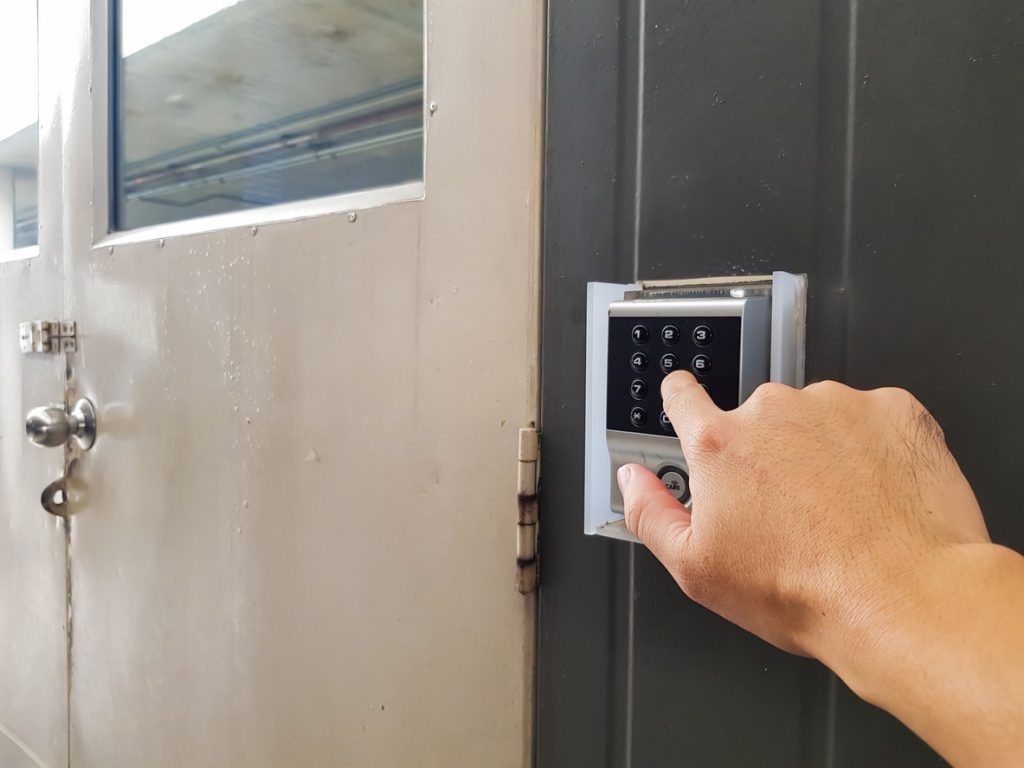
That is why a proper door entry installation process looks at how the full entrance performs, not just the devices being fitted.
Access Method And Admin Requirements Also Matter
The way people enter the building affects pricing as well. Fobs, cards, PIN codes, and mobile credentials all come with different setup requirements, and some buildings need tighter permission control than others. In sites where too many people already have keys or shared codes, the real value often comes from making access easier to update and harder to misuse.
For business premises, that tends to sit closer to secure visitor and staff access than a basic residential entry setup.

What Usually Pushes Costs Higher
A few factors tend to increase budget more quickly than others:
- multiple entrances or multiple release points
- high user volumes
- older systems with limited upgrade potential
- weathered entrances and failing lock hardware
- more complex permissions and access routines
- occupied buildings where disruption has to be kept low
None of these automatically make a project expensive, but they do affect labour, setup time, and commissioning.
Reliability Usually Matters More Than The Cheapest Quote
A cheaper system is not always cheaper long term. If the entrance keeps failing, residents keep complaining, or permissions become difficult to manage after a few months, the real cost rises quickly. For managing agents, reliability and admin simplicity usually matter more than shaving a small amount off the initial install.
That is why ongoing planned servicing often makes financial sense for busy communal entrances. It reduces repeat faults, helps manage wear, and protects the system from becoming another recurring problem.
Installation Costs Change Depending On How The Building Operates
Two buildings with similar entrances can still have very different installation costs. A quiet site with limited traffic is easier to work on than a busy block where residents, deliveries, and contractors all need access throughout the day. Planning around live occupancy takes more coordination, especially where disruption needs to stay minimal.
In buildings where entrance communication is a larger issue than access alone, installation may also involve elements more commonly associated with intercom installation, particularly where visitor handling needs to be clearer and more dependable.
Repair Or Replace Depends On The Underlying Problem
This is one of the most important cost questions. If the system is old but still structurally sound, repair or partial upgrade can often be the best value route. If parts are obsolete, faults are recurring, and the entrance hardware is no longer dependable, replacement is usually the more sensible long-term investment.
That decision becomes much easier once the underlying issue is properly diagnosed. Intermittent failures, poor audio, and inconsistent release are often signs that the problem is broader than one faulty component.
Door Entry Costs For Flats And Commercial Buildings
In residential blocks, pricing tends to reflect:
- user volume
- communal entrance wear
- resident management
- admin simplicity
- the need to reduce complaints
In commercial buildings, pricing is more likely to reflect:
- visitor flow
- separation between public and staff areas
- the need to align entry with broader security
- operational disruption during installation
That is why two projects using similar equipment can still end up priced very differently.
Door Entry Projects Across Essex And East London
Security Masters supports door entry, intercom, and access control projects across Essex and East London within around 20 miles of Hornchurch, including Romford, Upminster, Rainham, Elm Park, Gidea Park, Brentwood, Basildon, Chelmsford, Ilford, Barking, and Dagenham. For larger commercial or block projects, coverage can extend further.
Common Questions About Cost And Installation
It depends on system type, number of users, entrances, upgrade potential, and the condition of the door and release hardware.
Usually yes, but the extra cost can be worthwhile where visitor verification matters and disputes around access need to reduce.
Often yes. That depends on the current infrastructure, compatibility, and whether recurring faults are mechanical, electrical, or both.
The biggest hidden factors are usually cabling limitations, worn entrance hardware, and the complexity of managing access for multiple users.
In many busy buildings, yes. Regular servicing can reduce repeat failures and protect the investment over time.
Getting The Right Balance Between Cost And Reliability
A meaningful quote reflects more than the equipment at the entrance. It needs to account for how the building operates, what condition the current setup is in, and how access will be managed after installation. Cost matters, but long-term reliability usually matters more.